Creating a comfortable and productive home office space is essential in today’s work environment. Whether you work remotely full-time or occasionally need a quiet spot to focus, your workspace can greatly influence how well you perform. This guide offers practical tips to help you set up a comfortable and efficient home office that supports your goals and well-being.
Choose the Right Location
Selecting the ideal spot for your home office is the first step toward productivity. Here are some considerations:
– Quiet and private: Look for a room or corner where interruptions are minimal.
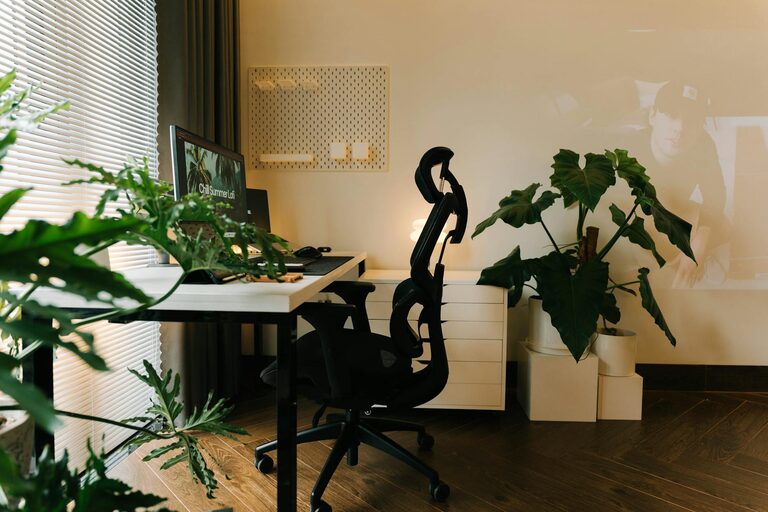
– Natural light: Position your desk near a window to benefit from daylight, which can enhance mood and reduce eye strain.
– Space: Ensure there’s enough room for your desk, chair, and any equipment you need.
If space is limited, consider creative solutions like a foldaway desk or converting a closet into a workspace.
Invest in Ergonomic Furniture
Comfort matters when you spend hours working at a desk. Focus on ergonomics to protect your health and maintain focus:
– Ergonomic chair: Choose a chair with adjustable height, lumbar support, and comfortable padding.
– Desk height: Your desk should allow your arms to rest at a 90-degree angle when typing.
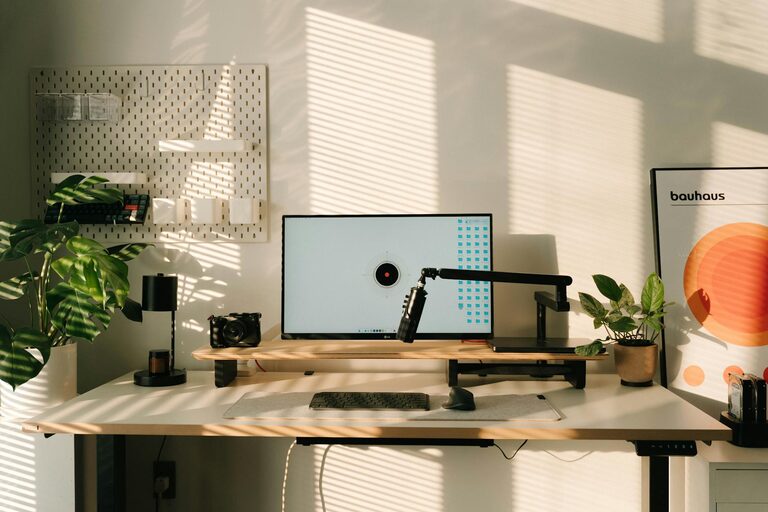
– Monitor position: Set screens so the top of the display is at eye level to prevent neck strain.
Standing desks or adjustable sit-stand options can also encourage movement and reduce fatigue.
Organize for Efficiency
Clutter can be distracting, so organizing your space is crucial for productivity:
– Storage solutions: Use shelves, filing cabinets, or drawer organizers to keep documents and supplies tidy.
– Minimalism: Keep only frequently used items on your desk to avoid visual clutter.
– Cable management: Use clips or sleeves to keep cords neat and prevent tangling.
A well-organized office makes it easier to focus and find what you need quickly.
Optimize Lighting
Good lighting improves focus and reduces eye strain:
– Natural light: Maximize natural light, but use blinds or curtains to prevent glare.
– Task lighting: A desk lamp with adjustable brightness can provide focused light where you need it.
– Ambient lighting: Balanced room lighting complements your workspace and prevents harsh contrasts.
Choose bulbs that emit soft white light to create a warm, inviting atmosphere.
Personalize Thoughtfully
Adding personal touches can make your office feel inviting, but balance is key:
– Decor: Include plants, artwork, or photos that inspire you.
– Colors: Use colors that promote calm and concentration, like soft blues, greens, or neutrals.
– Comfort items: Consider a cushion, footrest, or blanket to increase comfort.
Personalizing your workspace helps maintain motivation without causing distractions.
Create Boundaries and Routines
Working from home can blur the lines between personal and professional life. Set boundaries to stay focused:
– Designate work hours: Stick to a schedule to separate work time from leisure.
– Define your workspace: Use your office area exclusively for work to condition your mind for productivity.
– Take breaks: Schedule short breaks to stretch and rest your eyes, which boosts overall performance.
Clear boundaries help maintain work-life balance and reduce burnout.
Leverage Technology Wisely
Using the right tools enhances efficiency in your home office:
– Reliable internet: Ensure your connection is fast and stable.
– Noise-canceling headphones: These help block distractions, especially in busy households.
– Productivity software: Use apps for time management, task tracking, and virtual meetings.
Keep your devices updated and backed up to avoid technical issues that can interrupt workflow.
Maintain Cleanliness and Air Quality
A clean and fresh environment positively affects your focus and health:
– Regular cleaning: Dust and wipe down surfaces weekly to reduce allergens.
– Air circulation: Open windows when possible or use an air purifier.
– Plants: Indoor plants can improve air quality and add a calming touch.
A tidy and fresh workspace makes working more pleasant and supports well-being.
Conclusion
Designing a comfortable and productive home office requires attention to comfort, organization, lighting, and boundaries. By creating a space tailored to your needs and habits, you can enhance focus, reduce stress, and enjoy a more efficient workday. Start with small improvements and adjust your setup over time to find what works best for you. Your ideal home office is within reach!