
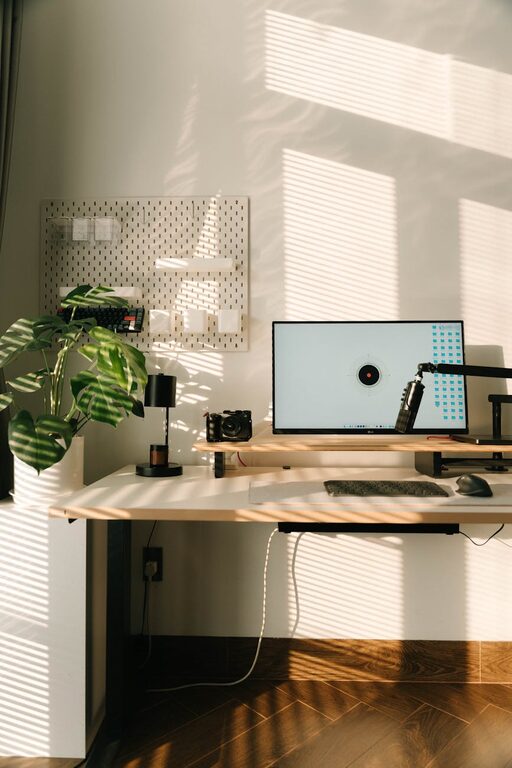
Creating a relaxing home office environment is essential for maintaining focus, reducing stress, and improving overall productivity. Whether you work remotely full-time or occasionally need a quiet spot to concentrate, your workspace should invite calm and creativity instead of distractions and tension. Here are practical tips to help you turn your home office into a peaceful haven.
Choose the Right Location
Start by selecting a dedicated space that feels separate from your daily living areas. Avoid high-traffic zones or places with lots of noise. If possible, use a room with a door to minimize interruptions and create a clear boundary between work and home life.
– Consider a spare bedroom, a quiet corner, or even a well-organized section of your living room.
– Natural light is a big plus. Set up near a window to enjoy daylight, which helps improve mood and alertness.
– If space is limited, clear clutter in a small nook and add a screen or bookshelf for privacy.
Prioritize Comfort and Ergonomics
Comfort matters when you spend long hours at your desk. An ergonomic setup helps prevent physical discomfort and supports better posture.
– Invest in an adjustable office chair that supports your lower back.
– Position your desk and monitor so your eyes are level with the top of the screen.
– Place your keyboard and mouse within easy reach to avoid strain.
– Consider a footrest if your feet don’t comfortably touch the floor.
– Take regular breaks to stretch and move around.
Use Calming Colors and Decor
Colors influence mood and concentration. Soft, neutral tones like light blues, greens, and warm grays create a soothing atmosphere.
– Paint your office walls or use removable wallpaper in calming shades.
– Add plants to bring a touch of nature inside; they also improve air quality and reduce stress.
– Choose artwork or photos that inspire you without overwhelming the space.
– Declutter regularly to keep your desk tidy and inviting.
Optimize Lighting
Good lighting reduces eye strain and enhances your workspace ambiance.
– Maximize natural light during the day.
– Use a desk lamp with adjustable brightness for focused tasks.
– Avoid harsh overhead lighting; soft, warm LED bulbs work well.
– Consider light dimmers or lamps with different color temperatures to suit your mood.
Incorporate Soothing Sounds
Silence can sometimes be distracting or unsettling. Gentle background sounds help many people focus.
– Play instrumental or ambient music quietly while working.
– Use a white noise machine or nature sounds to mask disruptive noises.
– Noise-canceling headphones are a great investment if your space isn’t quiet.
Keep Essentials Organized
A cluttered desk can lead to a cluttered mind. Keep your workspace clean and your tools within easy reach.
– Use storage solutions like shelves, bins, or desk organizers.
– Set up a filing system for important documents.
– Have essential supplies, like pens and notepads, handy but out of the way.
– Digitize paperwork where possible to minimize physical clutter.
Personalize Your Space Thoughtfully
Adding personal touches makes your home office feel welcoming and motivating.
– Display motivational quotes or personal achievements.
– Use a comfortable throw or cushion for your chair.
– Have a water bottle or tea mug nearby to stay hydrated.
– Avoid too many decorations that might become distractions.
Manage Technology Mindfully
Technology is central to modern work but managing it well keeps interruptions minimal.
– Organize cables with clips or ties.
– Use a charging station for your devices to reduce mess.
– Set boundaries for phone or social media use during work hours.
– Update your computer software and apps regularly to avoid slowdowns.
Establish a Daily Routine
A relaxing environment is also about how you use it. Create routines that help you transition into work mode and back to personal time.
– Start your day with light stretches or meditation.
– Schedule breaks for short walks or relaxation exercises.
– End your day by tidying your desk and shutting down devices.
– Communicate your working hours clearly if others share your space.
—
Creating a relaxing home office environment doesn’t require a major renovation or expensive upgrades. Thoughtful choices in location, lighting, decor, and organization can make a huge difference in how comfortable and productive you feel. By designing a space that supports your well-being, you set yourself up for success and a better balance between work and home life.
Take some time this week to assess your current setup and try implementing a few of these tips. Your future self will thank you!